
Wall Panels
Is wainscoting worth it?
September 25, 2026 · 4 min read
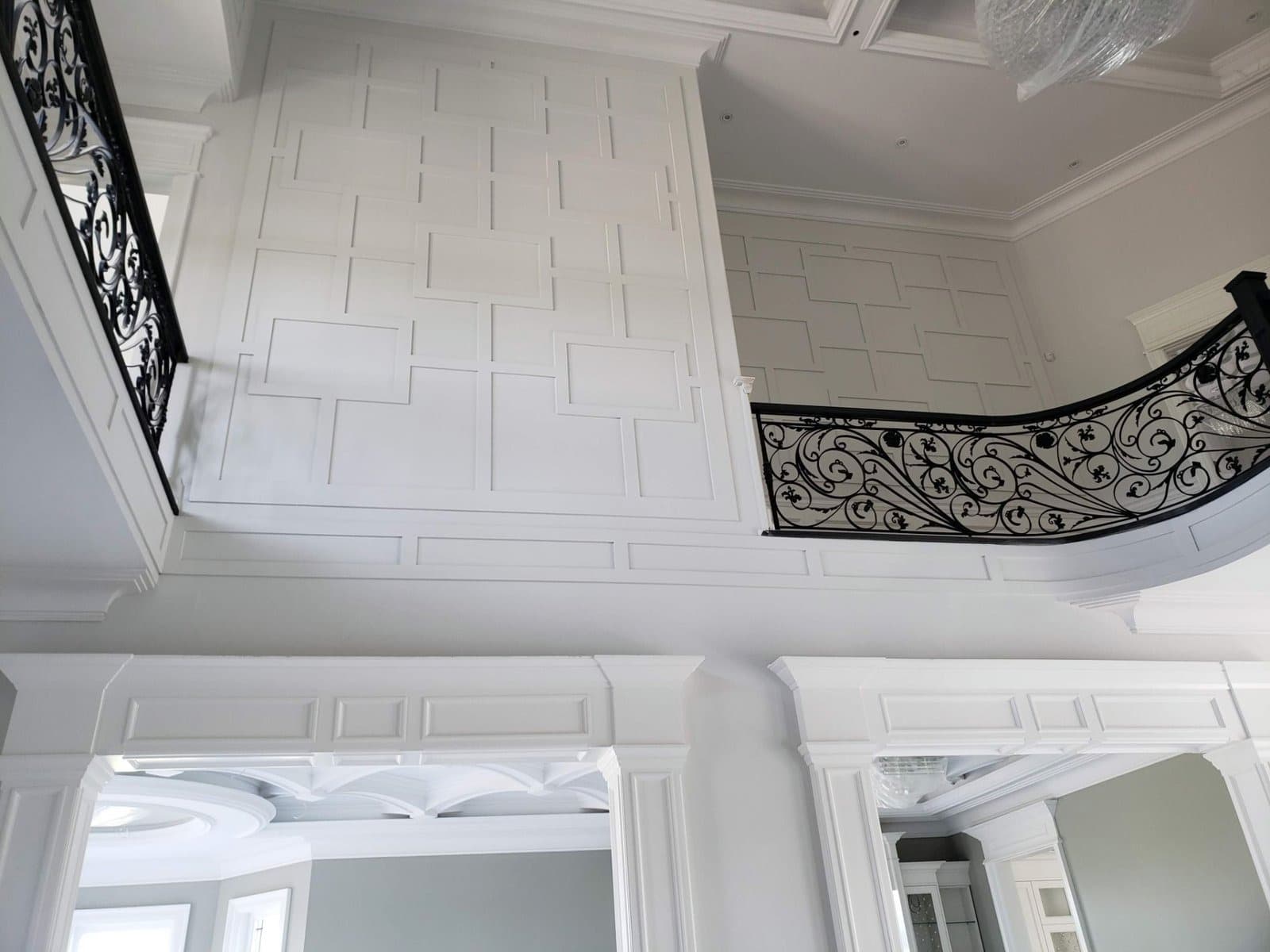
Wainscoting is one of the few changes that alters how a room reads without moving a wall. Whether it is worth it depends less on the house than on the room, and on what the room is used for.
Where it earns its place
- Entrance halls and two storey foyers, where it is the first thing anyone sees
- Stairwells, where raked panels follow the stair and take the wear from hands and bags
- Dining rooms, where chair backs hit the lower wall every night
- Hallways that connect the main rooms and would otherwise be plain corridors
- A single accent wall behind a bed, a fireplace or a television
Where it adds less
Small rooms with low ceilings and many openings leave little wall to panel, and the pattern breaks into pieces around the doors and windows. Rooms that are mostly cabinetry, like kitchens and laundry rooms, rarely show enough wall for it to register.
What it does beyond looks
The lower part of a wall is where it gets scuffed, and a painted panel takes a knock better than drywall and is easier to touch up. Panelling also hides a wall that is uneven, because the eye reads the straight lines of the mouldings rather than the surface behind them.
The version that looks cheap
Panels that do not line up with the doors and windows, mouldings that stop short of a corner, and caps that meet the window sill at an odd height. The pattern has to be set out against the room as it is, before anything is cut. That layout is the difference between wainscoting that looks built in and wainscoting that looks added on.
A simple test
Stand in the doorway and look at the wall you are thinking about. If it is the wall you see first and the room has height to spare, panelling will change the room. If it is the wall behind a door, spend the money somewhere you will look at.
More on Wainscoting & Wall Panels in Toronto.
Free quote
Request a site visit. We measure the work ourselves and put the price in writing, at no charge.